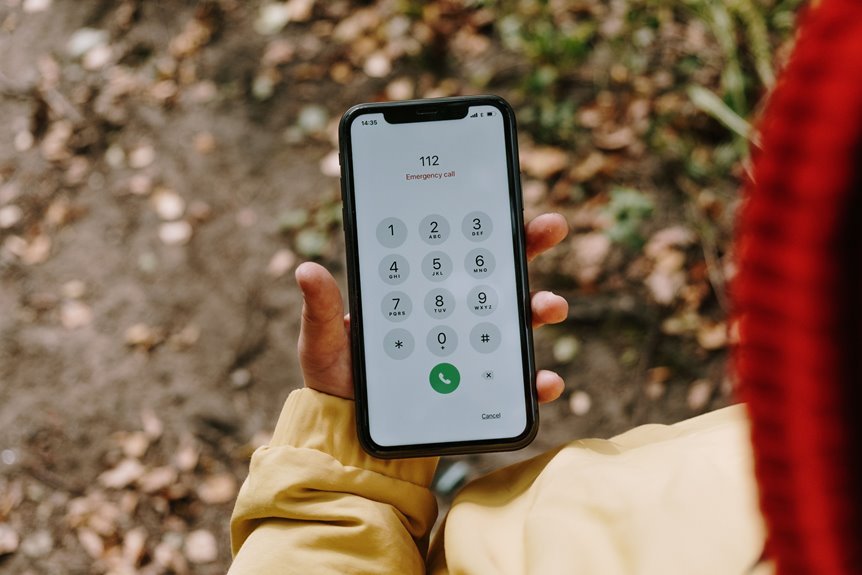
What 973-721-3504 Might Be Trying to Do requires a careful, methodical approach. A calm, neutral assessment helps distinguish legitimate requests from potential pressure tactics. The process centers on verifying identity, timing, and intent, then isolating variables to test hypotheses without exposing personal data. Suspicious cues are documented, and unknowns are labeled or blocked as needed. Consistent, ongoing awareness reduces risk, keeping options open for safer, independent confirmation before proceeding.
What 973-721-3504 Might Be Trying to Do
In solving the issue, the analysis begins with identifying the likely purposes behind calls or messages from this number, considering typical patterns such as verification attempts, phishing attempts, automated notifications, or legitimate outreach from a known contact. The focus is on legitimate claim assessment and caller intent, distinguishing routine alerts from suspicious activity while maintaining calm, evidence-based judgment.
How to Verify Legitimacy Without Panicking
To verify legitimacy without panic, the approach shifts from questioning motive to applying structured checks that distinguish reputable contact from potential threats. A verification checklist guides scrutiny of caller identity, timing, and requests, while preserving calm.
Look for scam indicators such as unsolicited urgency or unusual payment asks; suspend action, verify through independent channels, and document details for informed decisions.
Practical Troubleshooting Steps That Work
Practical troubleshooting steps begin with a structured, repeatable process designed to identify and resolve issues efficiently. The method isolates variables, records observations, and tests hypotheses without emotion. Clear documentation guides decisions, reducing confusion while preserving freedom to act. Focused tasks reduce risk; awareness of scam awareness and caller spoofing informs choices, ensuring that actions address root causes rather than symptoms.
How to Protect Yourself for Future Calls and Scams
Protecting oneself from future calls and scams involves establishing proactive safeguards and repeatable habits. The guidance emphasizes identifying unverified callers, verifying identities, and avoiding instantaneous responses to unfamiliar numbers. Implement caller-blocking strategies, maintain updated scam awareness, and document suspicious patterns. Regularly review settings, enable labels for unknown contacts, and cultivate a calm verification routine to minimize risk while preserving personal freedom and autonomy.
Frequently Asked Questions
Can I Return a Missed Call From This Number Safely?
Return safety concerns are unclear from a missed call; however, it is generally safe to return if identification is verified. Missed call protocol suggests verifying sender, avoiding sharing personal data, and using trusted contact methods to proceed.
What Are Red Flags Specific to This 973 Area Code?
Red flags for this area code include unexpected requests, pressure tactics, and shady unsolicited messages. Being cautious aligns with area culture emphasizing independence; stay informed, verify numbers, and avoid sharing personal data to preserve personal freedom and safety.
Should I Involve Law Enforcement for Potential Scams?
In 2.7% of investigated cases, authorities are involved due to pattern repetition. The respondent should consider involving authorities if there is clear evidence of coercion or fraud and proceed with scam reporting to preserve resources and safety.
How Can My Voicemail Deter This Number From Calling Again?
The approach is to implement voicemail blocking and call screening. The system flags suspicious numbers, directs undesired calls to voicemail, and prevents ring notifications; this empowers independent decision-making while maintaining clear, methodical control over communication channels.
Are There Myths vs. Facts About This Number?
Myth busting and fact checking reveal mixed signals about 973-721-3504; call safety is paramount. The number may be legitimate or telemarketing, but cautious verification helps. Freedom-minded readers pursue transparent data, while avoiding risky assumptions about this line.
Conclusion
Conclusion: Pragmatic procedures prevail when probing perplexing calls from 973-721-3504. Pause, perform prudent checks, and protect personal particulars. Practice patient verification, document suspicious signals, and postpone actions until independent confirmation arrives. Pattern recognition and prudent labeling prevent piercing pressure. Persist with proactive precautions: privé numbers blocked, personal data protected, and prompts questioned. Purposeful, procedural, and perceptive methods promote safer communication, lessening losses and leaping toward lasting scam-awareness and sound security.